The Power of Student Votes: Impact, Challenges, and Solutions
In our dedicated mission to elevate voter participation, we at GENup took the initiative to organize non-partisan voter pre-registration drives across schools, including our own. This proactive step was crucial in ensuring that students were prepared to exercise their voting rights as soon as they reached 18. In collaboration with the school administration, we successfully arranged for the use of necessary facilities and strategically allocated class time to facilitate a comprehensive school-wide assembly. During these assemblies, we collectively delved into the intricacies of the voting process, emphasizing the vital role of young adults in shaping our democracy. Through engaging presentations and mathematical demonstrations, we shed light on the significant impact of the youth voting block. Our approach was not just about informing but also empowering students with the knowledge and understanding of their influence in elections. This initiative is a testament to GENup’s commitment to fostering an active, informed, and engaged youth electorate. By bringing voter pre-registration directly to students' doorsteps, we bridge the gap between political awareness and active participation. Our efforts reflect the essence of GENup's mission: to harness the power of youth voices in advocating for meaningful change, particularly in the realm of educational policy and civic engagement. Through these voter pre-registration drives and educational assemblies, we’re not only preparing students to vote but also encouraging them to realize their collective power in influencing policies, especially those that directly impact their education and communities. In doing so, we’re nurturing a new generation of informed, engaged, and proactive citizens, ready to contribute positively to our democratic process.
Voter pre-registration is an event at Washington High School that guides the next wave of young adults to help make changes to their government. Due to the importance of voting, especially with the 2024 elections in November, it’s crucial to educate citizens about how the process works. Pre-registration can essentially be considered a rite of passage to adulthood, as it shapes the future and changes the way the world operates. In Washington, this process is set forth by three organizations. First, GenerationUp Fremont, a student-led non-profit organization, recruits and trains a team of students from Washington to lead the presentation. Second, the League of Women Voters, a 120-year-old non-partisan voter’s rights advocacy group, handles the logistics and administrative approval. Last, the Youth Voter Movement, a project from the League of Women Voters devoted to empowering the Youth Vote, helps with certain logistics. Together, these organizations work alongside Washington High School students to host a pre-registration drive every other year for seniors and juniors during their social science classes. This event includes a presentation on the importance of voting, the process of pre-registering, and the know-how of voting as an adult. Although the information is important for all students, the actual pre-registration is only for students who are eligible to vote. These requirements include being a U.S. citizen, meeting state residency, and being at least 16 years old. The process of pre-registering consists of filling out a paper form with the student’s details and submitting it to the Register of Voters. Students keep a strip of paper with their form ID which they can later use to check their registration status online. Once this process is complete, they are mailed a ballot by the next election when they are of age to vote. This drive follows strict adherence to laws and regulations, being explicitly non-partisan to eliminate influencing students’ political views and affiliations. The sole purpose of this drive is to educate the youth on the importance of voting and to encourage them to vote.
Student voter turnout is a critical factor in shaping the political landscape, influencing election outcomes and policy decisions. This essay delves into the importance of student votes, supported by real statistics, and explores the challenges and solutions associated with mobilizing student voters.
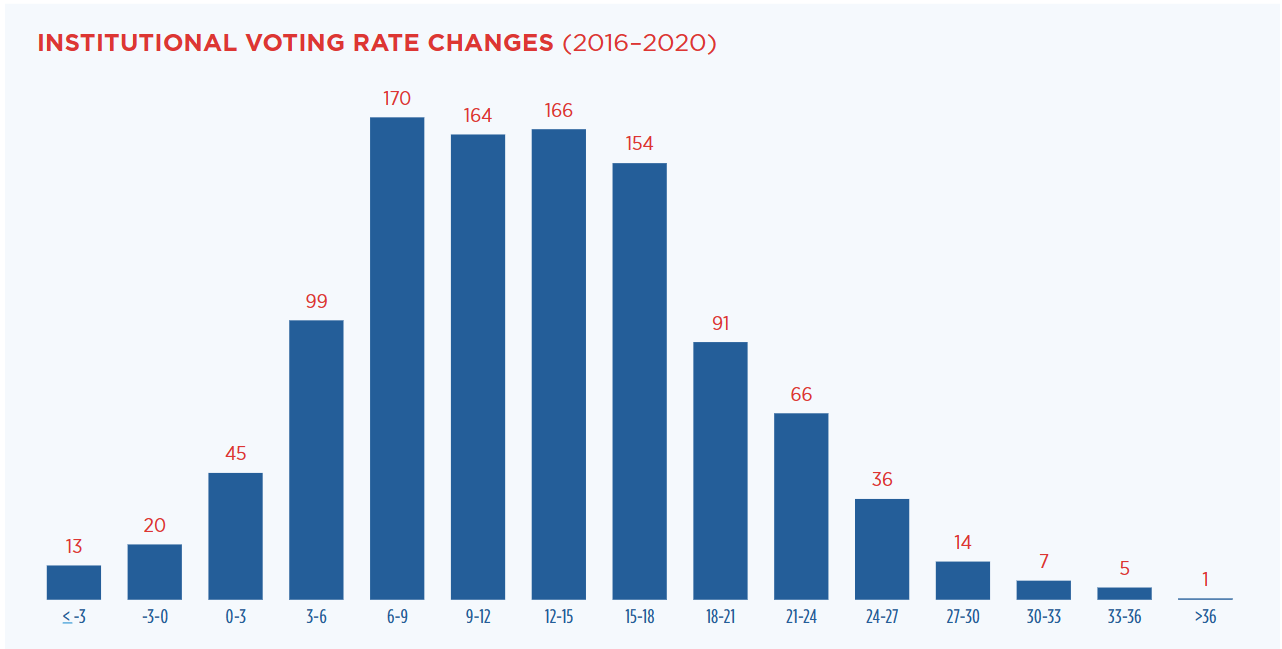
In the 2020 presidential election, college student voting saw a significant uptick, reaching an average rate of 66.1%, a marked increase from 2016. This surge underscores the growing influence of students in the political arena.
Organized voter registration initiatives on campuses significantly impact student voter participation, as shown by research from the Institute for Democracy and Higher Education. Students are more likely to engage when they see a connection between their issues and political participation, emphasizing the need for relevant, impactful campaigns.
Student voters played a decisive role in key battleground states during the 2020 election, shaping outcomes in states like Pennsylvania, Georgia, and Arizona. This influence extends to local elections, where student votes can sway results and impact community policies.
Challenges, including voter suppression efforts and complex registration processes, persist. Solutions lie in ongoing efforts—comprehensive voter education, advocacy for simplified registration, and the promotion of civic engagement on campuses. Voter drives, crucial in mobilizing students, should continue to be a focus for sustained impact.
As we navigate the 21st century, the active involvement of students in the democratic process is essential. Real statistics underscore their growing impact, indicating a positive trend. Fostering an environment that encourages student civic engagement and sustaining voter drives are pivotal investments in the future of democracy.
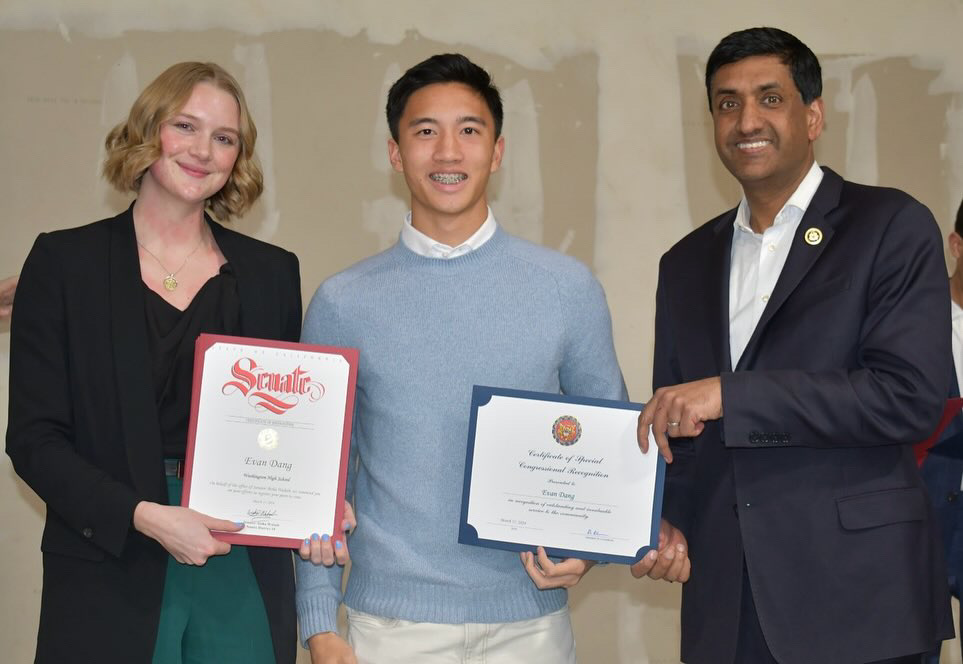
Evan Dang recieving drive award from US House of Representatives “certificate of special congressional recognition” from Ro Khanna other was from state senator Aisha wahab senate certificate of recognition
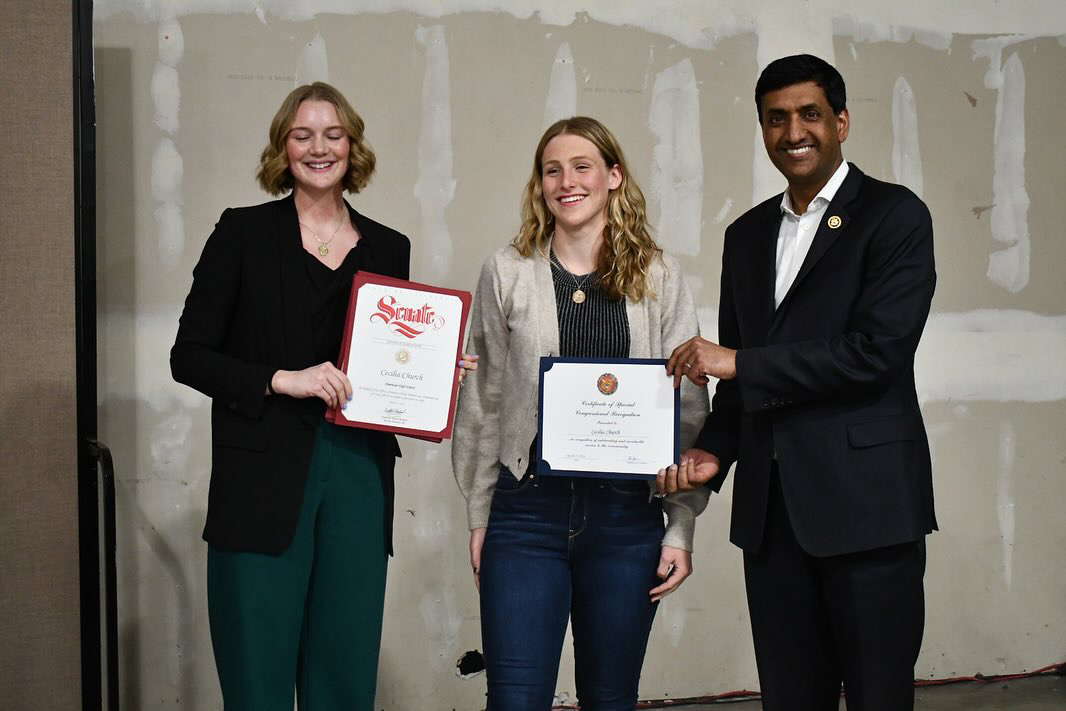
Cecilia Church recieving drive award from US House of Representatives “certificate of special congressional recognition” from Ro Khanna other was from state senator Aisha wahab senate certificate of recognition
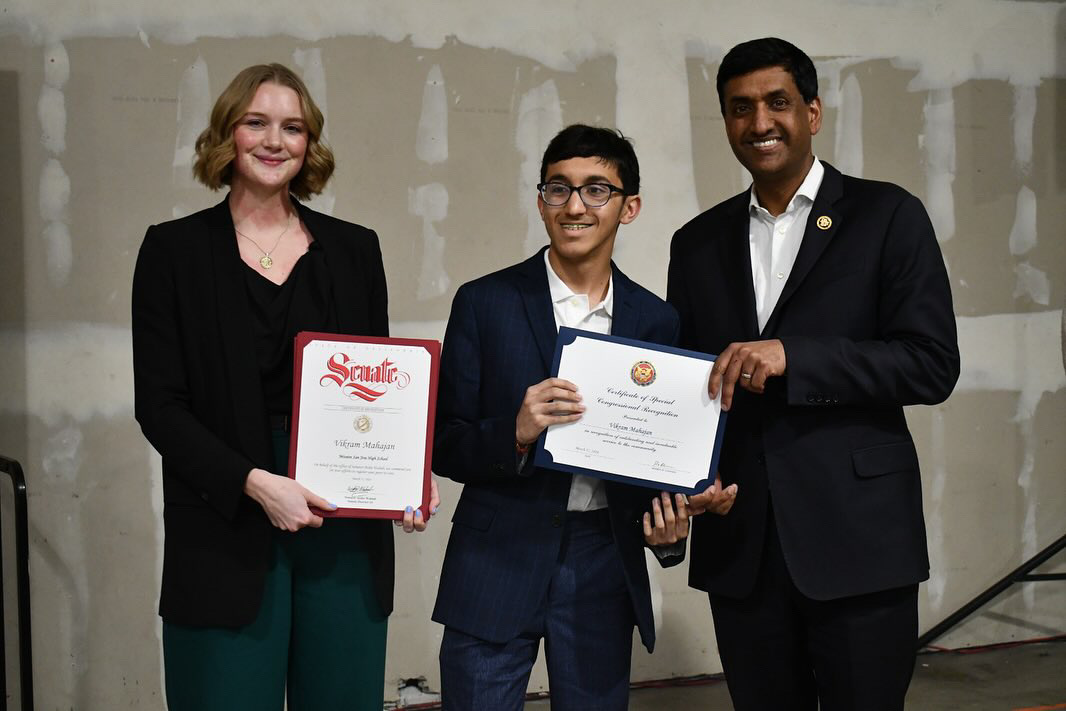
Vikram recieving drive award from US House of Representatives “certificate of special congressional recognition” from Ro Khanna other was from state senator Aisha wahab senate certificate of recognition
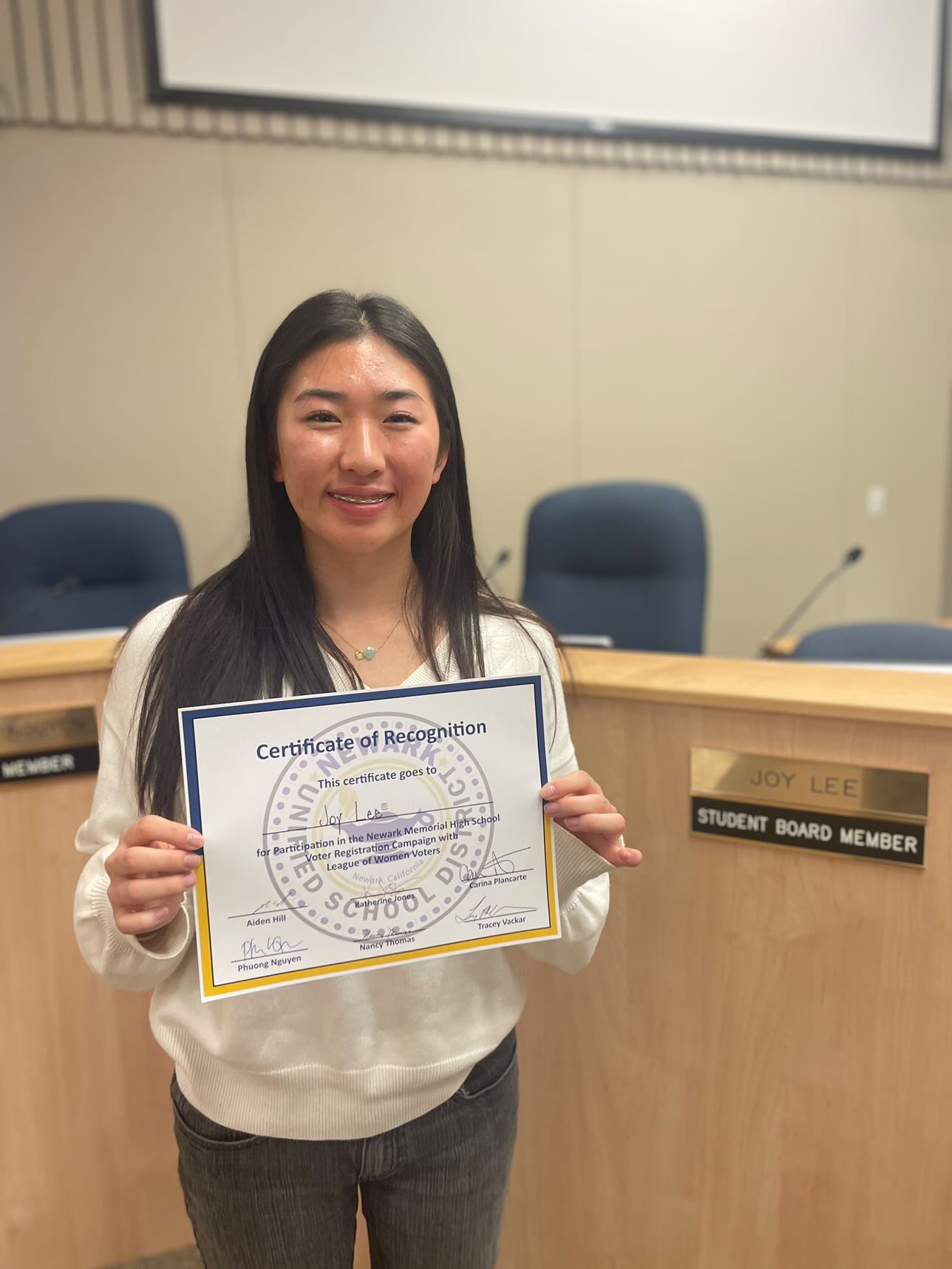
Joy Lee recieving certificate of recognition from her school board Newark